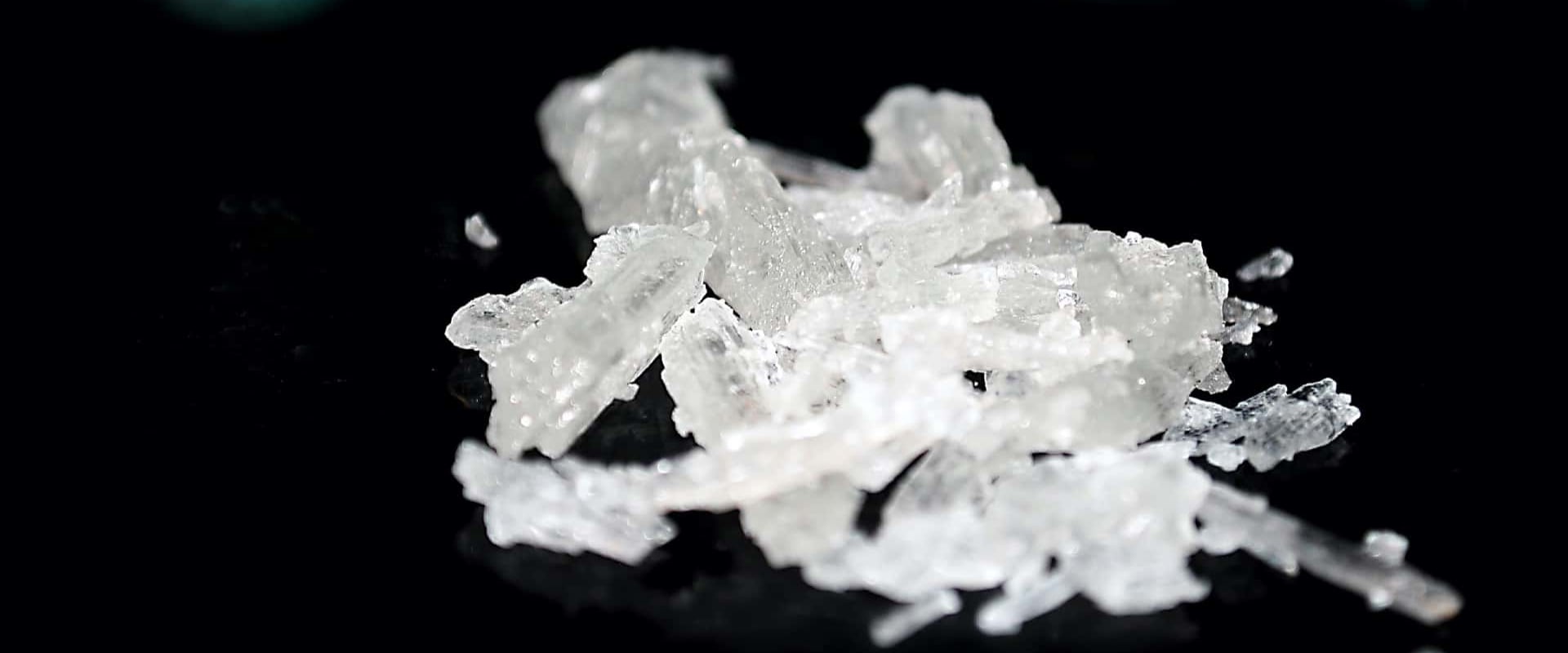
Crystal meth
, scientifically known as methamphetamine, is a powerful and highly addictive stimulant that affects the central nervous system. Classified as a Schedule II controlled substance under both federal and California state law, its legal status is a critical aspect for anyone living in or visiting the state. Understanding the implications of possessing, using, or distributing crystal meth is essential, as the consequences can be severe and life-altering.
In California, the laws surrounding methamphetamine are stringent. The possession of crystal meth is governed by Section 11377 of the California Health and Safety Code, which categorizes it as a misdemeanor offense.
This means that individuals caught with even small amounts of this drug can face legal repercussions, including fines and potential jail time. The legal framework aims to deter use and distribution while addressing the public health crisis associated with methamphetamine abuse. The importance of understanding these laws cannot be overstated. With the ongoing opioid epidemic and rising rates of methamphetamine use, public awareness about the risks and legal ramifications is crucial. Many individuals may not realize that even casual possession can lead to serious legal trouble.
Furthermore, under Proposition 47, certain offenses related to crystal meth possession may be eligible for reduced sentencing, but this is contingent on various factors such as prior criminal history and specific case details. As we delve deeper into the topic of crystal meth and its legal status in California, it becomes clear that knowledge is power. Whether you are seeking information for personal reasons or out of concern for a loved one, understanding the laws surrounding this substance can help navigate the complexities of addiction and legal consequences.
What is Crystal Meth?
Crystal meth
, scientifically known as methamphetamine, is a powerful and highly addictive central nervous system stimulant. It is a synthetic drug that affects the brain's neurotransmitters, leading to intense feelings of euphoria and increased energy. The chemical structure of methamphetamine is similar to amphetamine, a substance used in some medical treatments for attention deficit hyperactivity disorder (ADHD) and obesity.
However, the illicit form of methamphetamine, often referred to as crystal meth, is typically found in a crystalline form that can be smoked, snorted, or injected. The production of crystal meth involves a complex chemical process that can be dangerous and illegal. It is often synthesized in makeshift laboratories using over-the-counter ingredients such as pseudoephedrine, which is commonly found in cold medications. The process not only poses significant health risks to those involved but also creates hazardous waste that can contaminate the environment. When consumed, crystal meth has profound effects on both the body and mind. Users may experience an initial rush of euphoria, heightened alertness, and increased energy levels.
However, these effects are short-lived and can lead to a cycle of repeated use as individuals seek to maintain their high. Over time, the drug can cause severe physical and psychological issues, including:
- Increased heart rate: Crystal meth can lead to rapid heartbeats and elevated blood pressure, increasing the risk of heart attack or stroke.
- Weight loss: The drug suppresses appetite, often resulting in significant weight loss and malnutrition.
- Mental health disorders: Long-term use can lead to anxiety, paranoia, hallucinations, and violent behavior.
- Dental problems: Users often suffer from severe dental issues commonly referred to as "meth mouth," characterized by tooth decay and gum disease.
Understanding what crystal meth is and its effects is crucial for recognizing the risks associated with its use and the importance of seeking help for those struggling with addiction.
Legal Classification of Crystal Meth in California
The legal status of crystal meth, or methamphetamine, in California is primarily governed by the California Health and Safety Code, specifically Section 11377. This section categorizes methamphetamine as a controlled substance, which means that its possession, distribution, and manufacture are strictly regulated under state law. Under California Health and Safety Code 11377 (a), possessing crystal meth without a valid prescription is classified as a misdemeanor. This classification reflects the state's recognition of the drug's potential for abuse and the associated health risks. The law aims to deter individuals from engaging in illegal drug use while providing a framework for legal consequences. In addition to simple possession, the law also addresses more serious offenses related to crystal meth. For instance, Section 11379 of the Health and Safety Code outlines penalties for the sale or distribution of methamphetamine.Even if an individual does not physically handle the drug, they can still be charged under this section if they have control over it. This broad definition underscores the seriousness with which California treats methamphetamine-related offenses. Furthermore, Proposition 47, passed in 2014, has had a significant impact on how crystal meth possession cases are prosecuted. This measure allows for certain non-violent drug offenses to be reclassified from felonies to misdemeanors, potentially reducing sentences for individuals convicted of simple possession. However, eligibility for this reduction depends on various factors, including prior criminal history and specific circumstances surrounding the case. The state has also recognized the public health implications of crystal meth use.
The undersecretary of health has emphasized that there is no antidote for a methamphetamine overdose, highlighting the urgent need for education and prevention efforts. Despite ongoing campaigns to raise awareness about the dangers of methamphetamine abuse, it remains a prevalent issue in many communities across California. In summary, crystal meth is classified as a controlled substance under California law, with strict penalties for possession and distribution. Understanding these legal classifications is crucial for anyone facing charges related to methamphetamine in California. Seeking guidance from a knowledgeable attorney can provide clarity on rights and options available under the law.
Possession Laws for Crystal Meth in California
In California, the legal framework surrounding the possession of crystal meth, or methamphetamine, is primarily governed by the California Health and Safety Code.Specifically, Section 11377 addresses the possession of methamphetamine and outlines the penalties associated with it. Understanding these laws is crucial for anyone who may find themselves in a situation involving this substance. Under California law, possessing crystal meth without a valid prescription is illegal. The law categorizes simple possession of methamphetamine as a misdemeanor offense. This means that if an individual is caught with a small amount of crystal meth, they could face a range of penalties, including:
- Up to 6 months in county jail
- A fine of up to $1,000
- Probation, which may include mandatory drug counseling or rehabilitation programs
This means that individuals charged with simple possession of crystal meth may be eligible for reduced penalties or even diversion programs instead of jail time. The decision to pursue these options often depends on various factors, including the individual’s criminal history and the specifics of their case. In contrast to misdemeanor charges, felony charges can arise in more severe circumstances. For instance, if an individual is found in possession of larger quantities of crystal meth, or if there are aggravating factors such as prior convictions or involvement in distribution, they may face felony charges under Section 11378. Felony possession can lead to:
- 1 to 3 years in state prison
- Higher fines
- A permanent criminal record that can impact future employment and housing opportunities
Manufacturing and Distribution of Crystal Meth: Legal Consequences
The manufacturing and distribution of crystal meth in California are serious offenses that carry significant legal consequences.Under California Health and Safety Code Section 11379, the law explicitly prohibits the sale, transportation, or distribution of methamphetamine, including its more potent form, crystal meth. This section outlines the penalties associated with these activities, which can vary based on the amount of the substance involved and the circumstances surrounding the offense.
Manufacturing Crystal Meth
Manufacturing crystal meth is classified as a felony under California law. This means that individuals found guilty of producing this illegal substance can face severe penalties, including:
- Imprisonment: A conviction can result in a prison sentence ranging from three to seven years, depending on various factors such as prior convictions or the scale of production.
- Fines: Offenders may also be subject to hefty fines that can reach up to $50,000 or more.
- Probation: In some cases, individuals may be eligible for probation instead of prison time, but this often comes with strict conditions and monitoring.
Distribution Penalties
The distribution of crystal meth is equally punishable under HS 11379. The penalties for distributing methamphetamine can be severe and include:
- Imprisonment: Similar to manufacturing, distribution can lead to a prison sentence of three to five years for first-time offenders. However, if the distribution involves large quantities or occurs near schools or parks, sentences can increase significantly.
- Enhanced Penalties: Repeat offenders or those involved in organized drug trafficking may face enhanced penalties, including longer prison terms and larger fines.
Legal Defense Options
If you are charged with manufacturing or distributing crystal meth, it is crucial to seek legal representation.
An experienced criminal defense attorney can help navigate the complexities of drug laws in California and may explore various defense strategies such as challenging the legality of evidence obtained during searches or questioning the intent behind possession. Understanding the legal ramifications surrounding crystal meth manufacturing and distribution is essential for anyone involved in these activities. The consequences are not only severe but can also have lasting impacts on an individual's life and future opportunities.
Impact of Proposition 47 on Crystal Meth Offenses
Proposition 47, passed in California in 2014, significantly altered the landscape of drug offenses, including those related to crystal meth. This measure aimed to reduce the penalties for certain non-violent crimes, thereby addressing issues of overcrowding in prisons and promoting rehabilitation over incarceration. One of the most notable changes was the reclassification of simple possession of drugs, including methamphetamine, from a felony to a misdemeanor. This shift has profound implications for individuals charged with possession of crystal meth.Under the new law, those found in possession of small amounts of methamphetamine may face less severe consequences. Instead of facing potential prison time, offenders are more likely to receive probation or diversion programs aimed at treatment rather than punishment. This approach reflects a growing recognition that addiction is a public health issue rather than solely a criminal one. However, it is essential to understand that while Proposition 47 has reduced penalties for simple possession, it does not legalize crystal meth. Individuals caught with methamphetamine can still face legal repercussions, albeit less severe than before.
The law also stipulates that repeat offenders or those with prior convictions for serious crimes may not benefit from these reduced penalties. The broader implications of Proposition 47 extend beyond individual cases. By reducing the penalties associated with drug offenses, California aims to redirect resources towards treatment and prevention programs. This shift is part of a larger trend in criminal justice reform that seeks to address systemic issues within the penal system and promote more effective responses to drug addiction. Moreover, Proposition 47 has sparked discussions about the effectiveness of punitive measures versus rehabilitative approaches in dealing with drug-related offenses. Advocates argue that by focusing on treatment and support rather than incarceration, California can reduce recidivism rates and help individuals reintegrate into society more successfully. In conclusion, while Proposition 47 has made significant strides in reforming how crystal meth possession is treated under California law, it remains crucial for individuals to understand their rights and the potential consequences they may face.
Legal counsel can provide valuable guidance for those navigating these complex issues.
Health Risks Associated with Crystal Meth Use
The use of crystal meth, a powerful and highly addictive stimulant, poses significant health risks that can have devastating effects on individuals and their communities. Understanding these risks is crucial for anyone considering the implications of using this substance.Addiction Potential
One of the most alarming aspects of crystal meth is its potential for addiction. The drug stimulates the release of dopamine in the brain, leading to intense feelings of euphoria. However, this effect is short-lived, often resulting in users seeking more of the drug to maintain that high.Over time, this can lead to a cycle of dependency where individuals feel compelled to use crystal meth just to feel normal. The addiction can manifest in various ways, including:
- Increased Tolerance: Users may find that they need larger doses to achieve the same euphoric effects.
- Withdrawal Symptoms: When not using the drug, individuals may experience severe cravings, fatigue, depression, and anxiety.
- Neglect of Responsibilities: Addiction often leads to a decline in personal and professional responsibilities, affecting relationships and job performance.
Overdose Dangers
The risk of overdose is another critical concern associated with crystal meth. An overdose can occur when a user consumes a large amount of the drug in a short period. Symptoms of an overdose may include:- Rapid Heart Rate: Users may experience an increased heart rate that can lead to cardiovascular complications.
- Hyperthermia: Elevated body temperature can occur, which may result in organ failure if not treated promptly.
- Panic Attacks: Severe anxiety and panic attacks are common during an overdose, leading to confusion and disorientation.
- Seizures: In extreme cases, users may suffer from seizures that can be life-threatening.
Chronic use can lead to severe dental problems (often referred to as "meth mouth"), skin sores, weight loss, and significant mental health issues such as anxiety disorders and psychosis. These health risks highlight the importance of awareness and education regarding the dangers associated with crystal meth.
Public Perception and Education on Crystal Meth Abuse
The public perception of crystal meth abuse in California is shaped by a combination of media portrayals, personal experiences, and community narratives. Over the years, the image of crystal meth has evolved from a relatively obscure drug to one that is widely recognized for its devastating effects on individuals and communities. This shift has been influenced by high-profile cases, documentaries, and news reports that highlight the severe consequences of meth addiction. Many Californians associate crystal meth with crime, homelessness, and social decay.This perception is not unfounded; areas heavily impacted by meth use often experience increased rates of violence and property crime. However, it is essential to recognize that addiction is a complex issue that affects individuals from all walks of life. The stigma surrounding meth users can lead to further isolation and hinder recovery efforts. To combat the negative perceptions and provide accurate information about crystal meth, various educational initiatives have been launched across the state. Schools, community organizations, and health departments are working together to create awareness programs aimed at informing the public about the dangers of meth use and the importance of prevention strategies.
Education on Drug Abuse
Education plays a crucial role in preventing crystal meth abuse.Programs designed for youth often focus on building resilience and teaching coping skills to help them navigate peer pressure and other challenges. These programs may include:
- Interactive Workshops: Engaging activities that allow participants to discuss their thoughts and feelings about drug use.
- Guest Speakers: Individuals in recovery sharing their stories can provide powerful insights into the realities of addiction.
- Resource Distribution: Providing literature and access to local support services can empower individuals to seek help when needed.
Prevention Strategies
Effective prevention strategies are essential in addressing crystal meth abuse. These strategies often involve:- Community Engagement: Involving local leaders and organizations in outreach efforts can foster a sense of collective responsibility.
- Policy Advocacy: Advocating for policies that support mental health services and substance abuse treatment can create a more supportive environment for those struggling with addiction.
- Family Support Programs: Educating families about the signs of drug use and providing resources for intervention can help address issues before they escalate.
Legal Assistance for Crystal Meth Charges in California
Facing charges related to crystal meth possession or use in California can be a daunting experience.The legal implications are serious, and the consequences can significantly impact your life. Therefore, seeking legal assistance is not just advisable; it is essential. A qualified criminal defense attorney can provide the guidance and representation necessary to navigate the complexities of the legal system. When looking for a defense attorney, consider the following factors:
- Experience with Drug Charges: It is crucial to find an attorney who specializes in drug-related offenses, particularly those involving crystal meth. Their familiarity with the nuances of drug laws in California will be invaluable.
- Track Record: Research the attorney's history of handling similar cases.
A successful track record can indicate their ability to effectively defend clients against drug charges.
- Understanding of Proposition 47: Since Proposition 47 allows for reduced penalties for certain non-violent offenses, including simple possession of methamphetamine, your attorney should be well-versed in how this law applies to your situation.
- Personalized Approach: Every case is unique. Your attorney should take the time to understand your specific circumstances and develop a tailored defense strategy that aligns with your needs.
- Communication Skills: Effective communication is key in any legal matter. Your attorney should be able to explain complex legal concepts in a way that you can understand and keep you informed throughout the process.
During your initial consultation, assess whether you feel heard and understood. This relationship will be critical as you work together to address the charges against you. If you are facing charges related to crystal meth, do not hesitate to seek legal help. An experienced criminal defense attorney can help protect your rights under the law and work diligently to achieve the best possible outcome for your case.
Frequently Asked Questions about Crystal Meth Legality in California
Understanding the legal status of crystal meth in California can be complex, especially given the various laws and regulations that govern its use and possession. Below are some frequently asked questions that can help clarify common misconceptions.Is crystal meth legal for medical use in California?
No, crystal meth is not legal for medical use in California.Methamphetamine is classified as a Schedule II controlled substance under both state and federal law. This means it has a high potential for abuse and is not approved for medical treatment outside of very specific circumstances, such as certain formulations of methamphetamine that are prescribed for ADHD or obesity, which are not the same as the illicit form commonly abused.
What are the penalties for possession of crystal meth in California?
The penalties for possessing crystal meth can vary significantly based on the amount in possession and prior criminal history. Under California Health and Safety Code Section 11377, simple possession of methamphetamine is typically charged as a misdemeanor, which can result in:- Up to one year in county jail
- A fine of up to $1,000
- Probation or mandatory drug counseling programs
Can I be charged for just being around crystal meth?
Yes, under California law, you can be charged with possession even if you were not physically holding crystal meth. If you have control over the substance or are present in a location where it is found, you may face charges under Health and Safety Code Section 11379. This law emphasizes the importance of understanding your surroundings and the potential legal implications.What should I do if I am facing charges related to crystal meth?
If you find yourself facing charges related to crystal meth, it is crucial to seek legal counsel immediately.An experienced criminal defense attorney can provide guidance tailored to your situation, help navigate the complexities of the law, and work towards achieving the best possible outcome for your case. In summary, while crystal meth remains illegal in California, understanding the nuances of the law can help individuals make informed decisions and avoid serious legal repercussions.
<strong>Conclusion</strong>: Key Takeaways on Crystal Meth Legality in California
Understanding the legal status of crystal meth in California is crucial for anyone living in or visiting the state. The laws surrounding methamphetamine are complex and can have serious implications for those caught in violation. Here are the key takeaways regarding the legality of crystal meth:- Possession is Illegal: Under California Health and Safety Code Section 11377, possessing methamphetamine, including crystal meth, is illegal and classified as a misdemeanor. This means that individuals found with even small amounts can face legal consequences.
- Potential Penalties: If convicted of possession, individuals may face jail time, fines, or both.
The severity of the penalties can vary based on prior criminal history and specific circumstances surrounding the case.
- Proposition 47 Impact: Proposition 47 allows for certain non-violent offenses, including simple possession of methamphetamine, to be reduced to a misdemeanor rather than a felony. This change aims to alleviate overcrowding in prisons and provide a second chance for offenders.
- Legal Defense: Those facing charges related to crystal meth should seek legal counsel. An experienced attorney can provide guidance on rights, potential defenses, and the best course of action to mitigate penalties.
- Public Health Concerns: The dangers associated with crystal meth are significant. Overdoses can be fatal, and there is no antidote available.
Public health officials continue to emphasize the importance of education and prevention regarding methamphetamine use.
- Cultural Context: Despite its illegality, crystal meth remains prevalent in certain communities as a recreational drug. Understanding the social dynamics and risks associated with its use is essential for informed decision-making.