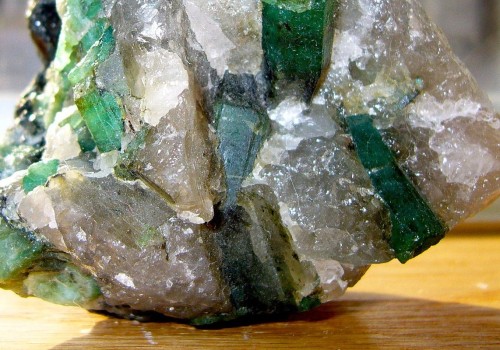
Crystal meth
, scientifically known as methamphetamine, is a powerful and highly addictive stimulant that affects the central nervous system. This illicit drug is often found in a crystalline form, resembling small shards of glass or ice, which is why it is commonly referred to as "ice" or "glass". The allure of crystal meth lies in its ability to produce intense feelings of euphoria and increased energy, making it particularly appealing to individuals seeking a quick escape from reality or a boost in performance. However, the effects of crystal meth extend far beyond temporary pleasure, leading to a myriad of serious health risks.
The composition of crystal meth includes various toxic substances, with pseudoephedrine being one of the primary ingredients used in its illicit production.
When consumed, this drug triggers a release of dopamine in the brain, creating a sense of pleasure that can quickly lead to dependency. As users continue to consume crystal meth, they may experience a range of physical and psychological effects that can severely impact their overall well-being. These effects can include increased heart rate, elevated blood pressure, and significant changes in appetite and sleep patterns. Moreover, the long-term use of crystal meth can result in devastating health consequences. Users often report severe dental issues, skin sores, and malnutrition due to the drug's appetite-suppressing properties.
Additionally, the psychological toll can manifest as anxiety, paranoia, and even psychosis. As we delve deeper into the specific health issues associated with crystal meth use, it becomes crucial to understand how this drug not only alters mental states but also disrupts bodily functions—one such issue being constipation. This condition may seem minor compared to other severe side effects; however, it highlights the extensive damage that crystal meth can inflict on the body.
What is Crystal Meth?
Crystal meth
, scientifically known as methamphetamine, is a powerful and highly addictive central nervous system stimulant. It is a synthetic drug that alters the brain's chemistry, leading to intense euphoria and increased energy levels.
The chemical structure of methamphetamine consists of a phenethylamine core, which is modified to enhance its potency and duration of action. This modification allows it to cross the blood-brain barrier more effectively than other forms of amphetamines. Crystal meth is typically produced in illegal laboratories using a variety of precursor chemicals, including pseudoephedrine, which is commonly found in over-the-counter cold medications. The production process often involves dangerous and toxic substances, making it not only illegal but also hazardous to those involved in its manufacture. The end product appears as clear or bluish-white crystalline chunks or shards, resembling glass or ice, which is why it is often referred to by street names such as "ice," "glass," or simply "crystal." The drug can be ingested in several ways, including smoking, snorting, injecting, or swallowing.
Each method of consumption affects the onset and intensity of its effects. Smoking or injecting crystal meth delivers an immediate and intense high, while oral ingestion results in a slower onset of effects. There are various types of methamphetamine, categorized primarily by their form and method of production. These include:
- Powdered Methamphetamine: A white powder that can be snorted or dissolved in liquid for injection.
- Crystal Meth: The crystalline form that is typically smoked or injected.
- Desoxyn: A pharmaceutical-grade form of methamphetamine prescribed for ADHD and obesity under strict medical supervision.
How Crystal Meth Affects the Body
Methamphetamine, commonly known as crystal meth, has profound effects on both the physical and psychological health of its users.Understanding these effects is essential for grasping how this powerful stimulant can lead to various health complications, including constipation. When consumed, crystal meth rapidly enters the bloodstream, leading to a surge of energy and euphoria. However, this initial high is often accompanied by a range of adverse physical effects:
- Cardiovascular System: Crystal meth increases heart rate and blood pressure, which can lead to serious cardiovascular issues such as heart attacks or strokes.
- Respiratory System: Users may experience breathing difficulties, especially if the drug is smoked. This can lead to chronic lung issues over time.
- Gastrointestinal System: One of the most concerning effects is its impact on digestion. Crystal meth can cause reduced appetite and malnutrition, which are significant contributors to constipation.
Additionally, it can disrupt normal intestinal motility.
- Dental Health: Often referred to as "meth mouth," users frequently suffer from severe dental decay and gum disease due to dry mouth and poor hygiene.
- Increased Anxiety and Paranoia: The drug can induce feelings of paranoia and anxiety, which may lead to erratic behavior and social withdrawal.
- Methamphetamine Psychosis: Prolonged use can result in hallucinations and delusions, resembling symptoms of schizophrenia.
- Depression: After the high wears off, users often experience severe depression, which can perpetuate a cycle of use as they seek relief from these feelings.
Recognizing these effects is crucial for understanding the broader implications of crystal meth use and its potential to cause debilitating conditions like constipation.
The Link Between Crystal Meth and Constipation
When discussing the effects of crystal meth on the body, one significant concern is its impact on digestive health, particularly regarding constipation. Users of this potent stimulant often report various gastrointestinal issues, and constipation is a common complaint. Understanding how methamphetamine affects the digestive system can shed light on this troubling side effect.Effects on Intestinal Processes
Crystal meth alters the normal functioning of the gastrointestinal tract. The drug stimulates the central nervous system, which can lead to a decrease in gastrointestinal motility.
This means that the muscles in the intestines may not contract as effectively, slowing down the movement of food and waste through the digestive system. As a result, users may experience delayed bowel movements, leading to constipation.
Dehydration and Its Role
Another factor contributing to constipation among crystal meth users is dehydration. Methamphetamine can cause significant fluid loss through increased sweating and reduced thirst perception. When the body is dehydrated, it absorbs more water from the waste material in the intestines, resulting in harder stools that are difficult to pass.
This dehydration can exacerbate existing constipation issues and create a vicious cycle for users.
Methamphetamine Psychosis and Digestive Issues
Frequent users of crystal meth may also experience methamphetamine psychosis, a severe mental health condition characterized by paranoia, hallucinations, and delusions. This psychological state can further complicate digestive health. Individuals suffering from psychosis may neglect their dietary needs or become so consumed by their mental state that they forget to eat or drink adequately. Poor nutrition and inadequate fluid intake can lead to malnutrition, which is another contributing factor to constipation.
Long-Term Consequences
The long-term use of crystal meth can lead to chronic digestive problems, including persistent constipation.
Over time, the body may become reliant on laxatives or other interventions to induce bowel movements, which can create additional health complications. Furthermore, ongoing constipation can lead to more severe issues such as hemorrhoids or fecal impaction. In conclusion, there is a clear link between crystal meth use and constipation due to its effects on intestinal motility, dehydration, and overall digestive health. Users experiencing these symptoms should seek medical advice to address their condition and mitigate further health risks associated with methamphetamine use.
Mechanisms Behind Constipation Induced by Crystal Meth
Understanding the mechanisms behind constipation induced by crystal meth requires a closer look at how this powerful stimulant affects the body, particularly the gastrointestinal (GI) system. Several biological factors contribute to this uncomfortable condition, including dehydration, alterations in gut microbiota, and slowed intestinal motility.Dehydration
is one of the primary mechanisms through which crystal meth can lead to constipation.
Methamphetamine use often results in increased physical activity and reduced appetite, which can lead to inadequate fluid intake. Additionally, the drug can cause excessive sweating and increased urination, further exacerbating dehydration. When the body is dehydrated, the colon absorbs more water from the waste material, resulting in harder and drier stools that are difficult to pass. Another significant factor is the impact of crystal meth on gut microbiota. The gut is home to trillions of microorganisms that play a crucial role in digestion and overall health.
Research indicates that methamphetamine use can disrupt the balance of these microorganisms, leading to dysbiosis—a condition where harmful bacteria outnumber beneficial ones. This imbalance can impair digestive processes and contribute to constipation.
Slowed intestinal motility
is also a critical mechanism at play. Methamphetamine affects the central nervous system and can alter the normal functioning of the enteric nervous system, which controls gut motility. Users may experience a decrease in peristalsis—the wave-like muscle contractions that move food through the digestive tract—resulting in slower transit times for waste material.
This slowdown can lead to prolonged retention of stool in the colon, making it harder and more challenging to eliminate. Moreover, chronic use of crystal meth can lead to malnutrition due to poor dietary habits and reduced nutrient absorption. Malnutrition can further exacerbate constipation by depriving the body of essential nutrients needed for healthy bowel function. In summary, the mechanisms behind constipation induced by crystal meth are multifaceted, involving dehydration, changes in gut microbiota, and slowed intestinal motility. Understanding these factors is crucial for addressing this common yet distressing side effect among users.
Other Digestive Issues Related to Crystal Meth Use
While constipation is a significant concern for those using crystal meth, it is far from the only digestive issue that can arise from its use. The impact of this powerful stimulant on the gastrointestinal (GI) system can lead to a range of uncomfortable and potentially serious symptoms.Stomach Pain
Many users report experiencing severe stomach pain, often described as cramping or sharp discomfort.This pain can stem from several factors:
- Decreased Appetite: Crystal meth is known to suppress appetite, leading to inadequate food intake. This lack of nutrition can cause the stomach to react negatively, resulting in pain and discomfort.
- Gastrointestinal Motility: The drug affects the normal contractions of the intestines, which can lead to spasms and pain.
- Inflammation: Long-term use may cause inflammation of the stomach lining, contributing to chronic pain.
Nausea and Vomiting
Nausea is another common complaint among crystal meth users. This symptom can be exacerbated by:- Dehydration: Methamphetamine can lead to severe dehydration, which often results in nausea and vomiting.
- Toxicity: The toxic effects of the drug on the body can trigger nausea as a response to its presence in the system.
Malnutrition
The appetite-suppressing effects of crystal meth can lead to malnutrition over time. Users may not consume enough essential nutrients, leading to:- Vitamin Deficiencies: Lack of vitamins and minerals can result in various health issues, including weakened immune function and poor digestion.
- Weight Loss: Significant weight loss due to malnutrition can further exacerbate digestive problems, as the body lacks the necessary resources to function optimally.
It is crucial for users experiencing these symptoms to seek medical attention, as they may indicate more severe underlying conditions that require treatment.
Long-Term Effects of Crystal Meth on Digestive Health
The long-term use of crystal meth can have profound and often devastating effects on digestive health. As users continue to consume this potent stimulant, they may experience a range of gastrointestinal issues that can lead to chronic health problems. One of the primary concerns associated with prolonged methamphetamine use is the disruption of normal digestive processes. The drug can alter gut motility, leading to conditions such as constipation and, in some cases, more severe complications like bowel obstruction. This is particularly alarming as it can result in a condition known as paralytic ileus, where the intestines become inactive and fail to move food through the digestive tract. Moreover, crystal meth is notorious for causing dehydration.Users often neglect their hydration needs due to the drug's stimulating effects, which can suppress appetite and thirst. Dehydration can exacerbate constipation and lead to further complications such as fecal impaction, where hardened stool becomes trapped in the intestines. Another significant issue is malnutrition. Chronic users may experience a drastic reduction in appetite, leading to inadequate nutrient intake. This malnutrition can impair the body’s ability to function properly, including its digestive system.
A lack of essential nutrients can weaken the intestinal lining, making it more susceptible to damage and inflammation. Additionally, the psychological effects of methamphetamine use, such as anxiety and paranoia, can further complicate digestive health. These mental health issues may lead users to engage in unhealthy eating habits or avoid food altogether, perpetuating a cycle of poor nutrition and digestive distress. In summary, understanding the long-term effects of crystal meth on digestive health is crucial for both current users and those contemplating its use. The risks associated with chronic use extend beyond immediate physical symptoms; they encompass a range of serious health concerns that can affect overall well-being and quality of life.
Seeking Help: Addressing Constipation and Other Symptoms from Crystal Meth Use
For individuals grappling with the effects of crystal meth use, seeking help is a crucial step towards recovery and improved health. Constipation, while often overlooked, can be a significant issue for those who use this substance.It is essential to understand that addressing constipation and other related symptoms requires professional medical intervention. When considering treatment options for constipation caused by methamphetamine use, it is vital to consult a healthcare provider who specializes in addiction medicine. These professionals can offer tailored advice and treatment plans that address both the gastrointestinal issues and the underlying substance use disorder.
Steps to Take When Seeking Help
- Be Honest About Your Use: When visiting a healthcare provider, it’s important to be open about your crystal meth use. This information will help them understand your situation better and provide appropriate care.
- Discuss Symptoms: Clearly communicate any symptoms you are experiencing, including constipation, abdominal pain, or any other gastrointestinal issues. This will assist your doctor in diagnosing the problem accurately.
- Follow Medical Advice: Your healthcare provider may recommend dietary changes, hydration strategies, or medications to alleviate constipation.
Following their guidance is crucial for effective treatment.
- Consider Counseling: In addition to physical symptoms, addressing the psychological aspects of methamphetamine use is essential. Counseling or therapy can provide support and strategies for managing cravings and preventing relapse.
Many resources are available, including hotlines, support groups, and rehabilitation centers that specialize in treating substance use disorders. Remember, seeking help is a sign of strength and the first step towards recovery.
FAQs About Crystal Meth and Constipation
When it comes to the effects of crystal meth on health, many users and their loved ones have questions, particularly regarding digestive issues like constipation. Below are some frequently asked questions that address these concerns.1.Can crystal meth cause constipation?
Yes, crystal meth can lead to constipation. The drug affects the central nervous system and can disrupt normal intestinal function.Users often experience slowed gastrointestinal motility, which can result in difficulty passing stools.
2.What are the mechanisms behind constipation caused by crystal meth?
The primary mechanisms include:- Dehydration: Methamphetamine use often leads to dehydration due to increased physical activity and reduced fluid intake, both of which can contribute to hardening of the stool.
- Reduced appetite: Users may experience a significant decrease in appetite, leading to inadequate fiber intake, which is essential for healthy digestion.
- Neurological effects: The drug alters neurotransmitter levels, which can impair the signals that regulate bowel movements.
3.Are there other digestive problems associated with crystal meth use?
Yes, aside from constipation, users may experience a range of digestive issues including:- Nausea and vomiting: These symptoms can occur due to the drug's impact on the stomach lining and overall gastrointestinal function.
- Abdominal pain: Many users report experiencing stomach cramps or discomfort.
- Methamphetamine-induced ileus: In rare cases, prolonged use can lead to a condition where the intestines become paralyzed, further complicating digestive health.
4.How can individuals manage constipation related to crystal meth use?
If someone is experiencing constipation as a result of crystal meth, it is crucial to seek medical advice. Some management strategies may include:- Hydration: Increasing water intake can help alleviate dehydration and soften stools.
- Dietary changes: Incorporating more fiber-rich foods can promote regular bowel movements.
- Medical intervention: In some cases, healthcare providers may recommend laxatives or other treatments to relieve constipation.
Conclusion: The Importance of Awareness Regarding Crystal Meth Use and Its Effects on Health
In conclusion, the discussion surrounding crystal meth and its impact on health, particularly digestive health, underscores the critical need for awareness and education. As we have explored, the use of crystal meth can lead to a myriad of health issues, including significant gastrointestinal disturbances such as constipation.This condition is not merely a minor inconvenience; it can be indicative of more severe underlying problems caused by the drug's effects on the body. The physiological mechanisms through which crystal meth affects digestion are complex. The drug can alter gut motility, leading to conditions like methamphetamine-induced paralytic ileus, which can severely hinder normal bowel function. Furthermore, the dehydration often associated with meth use exacerbates these issues, making constipation a common complaint among users. Moreover, long-term use of crystal meth can result in malnutrition due to poor dietary choices and decreased appetite. This malnutrition further complicates digestive health and can lead to chronic constipation and other gastrointestinal disorders.
It is essential for users to recognize that these symptoms are not isolated; they are part of a broader spectrum of health issues that arise from substance abuse. Awareness is paramount. Individuals who use crystal meth must understand the potential consequences of their actions on their overall health. Seeking medical help is crucial for anyone experiencing symptoms related to crystal meth use, including digestive issues. Healthcare professionals can provide support and resources necessary for recovery. In summary, the effects of crystal meth extend far beyond immediate psychological impacts; they infiltrate physical health in profound ways.
By fostering awareness and encouraging individuals to seek help, we can mitigate some of the harmful effects associated with this dangerous substance.